From Fiji to Your Cup: The Cultural History of Kava
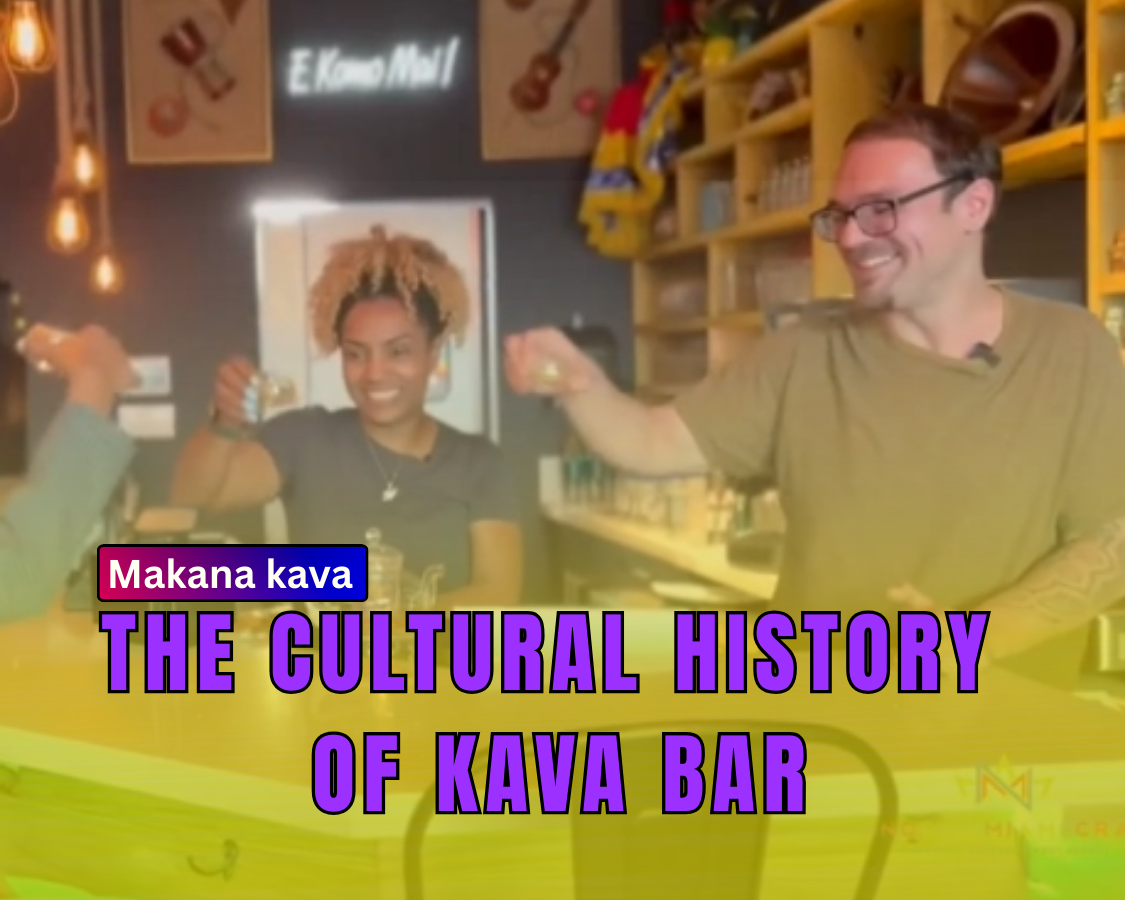
Before kava became a trending drink in modern kava bars across places like Miami, it was—and still is—a sacred plant with centuries of cultural significance. Known for its calming effects, kava has been used in ceremonial, spiritual, and social contexts throughout the South Pacific.
Today, the tradition lives on—not just in island villages but in the growing community of Kava bar Miami locations and beyond. This article explores how kava traveled from Fiji to your cup, and why it continues to matter in both ancient and modern worlds.
1. What Is Kava? A Quick Refresher
Kava (Piper methysticum) is a shrub native to the South Pacific. Its roots are crushed, ground, or kneaded into a drink known for inducing a calm, relaxed state—without impairing mental clarity.
It’s not just a trendy herbal remedy—it’s a plant deeply woven into the cultural fabric of Pacific Island societies, particularly in Fiji, Vanuatu, Samoa, and Hawaii.
🌺 In many island cultures, kava is more than a beverage—it’s a social ritual, a spiritual practice, and a symbol of respect.
2. Kava’s Origins in Fiji and the South Pacific
In Fiji, kava is called “yaqona” and is traditionally prepared for:
- Welcoming ceremonies
- Dispute resolution
- Tribal gatherings
- Honoring chiefs and elders
It is served in a carved wooden bowl called a tanoa, and drunk from a shared coconut shell cup. The ritual is calm, communal, and deeply respectful.
Cultural Highlights:
- Participants often clap once before and after drinking
- Ceremonies begin with a formal chant
- It’s used to promote unity, peace, and humility
🇫🇯 Even today, Fijian villages use kava to mark important life events and connect generations.
3. Expansion to Other Island Nations
Vanuatu:
Regarded as the birthplace of kava, Vanuatu takes the drink seriously. Kava bars are common even in rural villages, and drinking is often a nightly tradition.
Hawaii:
In Hawaiian culture, kava is known as ʻawa. It plays a central role in spiritual rituals, including offerings to gods and healing practices. In fact, many Hawaiian food traditions include gatherings where kava is served as part of the experience.
🌴 Today’s Hawaiian food events may pair kava with poke bowls and tropical dishes in a modern tribute to these old customs.
4. The Modern Kava Bar Movement
In the last decade, kava has seen a resurgence in the U.S. wellness scene, particularly in urban areas like Miami.
Kava bar Miami locations have become hotspots for:
- Alcohol-free nightlife
- Cultural exchange
- Mindful socializing
These bars often honor traditional rituals while modernizing the experience with creative flavors, island-style atmospheres, and sometimes even Hawaiian food menus.
What You’ll Find at a Kava Bar:
- Traditional and flavored kava shells
- Ceremonial elements like the “bula” toast
- Live music, spoken word nights, and healing circles
- Pacific Island-inspired décor and hospitality
🍹 Unlike mainstream bars, kava bars are community-first. Patrons often describe them as “safe spaces” for decompressing and connecting.
5. Cultural Respect vs Commercial Trend
As kava gains popularity, there’s a growing responsibility to respect its cultural roots.
Things to Keep in Mind:
- Kava isn’t just a drink—it’s a tradition.
- Supporting ethical sourcing (especially noble kava) helps protect Pacific Island economies.
- Learning about the rituals and meanings behind kava fosters deeper appreciation.
💬 Many kava bars in Miami educate guests on the origins of their drinks, offering a more authentic and mindful experience.
6. Kava’s Role in Community and Connection
In both traditional and modern settings, kava serves a social function:
Then (Fiji & Pacific Islands):
- Brings people together
- Resolves conflicts
- Celebrates unity
Now (Miami & Beyond):
- Offers alcohol-free connection
- Promotes calm conversation
- Builds community among diverse groups
It’s no wonder many modern gatherings at kava bars include Hawaiian food pop-ups, acoustic music, and group meditations—blending old and new in a way that honors both.
7. From Ceremonial Root to Modern Ritual
Whether in a Fijian village or a Kava bar Miami lounge, kava remains a symbol of peace, presence, and people-first values. As we embrace this plant in modern contexts, we also inherit its legacy.
So the next time you sip a chilled kava shell or share a bowl with friends, remember:
- You’re participating in a practice that spans centuries and continents
- You’re supporting a culturally rich tradition
- And you’re choosing connection over consumption
A Cultural Legacy in Every Cup
From its ceremonial use in Fiji to the hip, laid-back atmosphere of a kava bar in Miami, kava continues to serve its timeless purpose: bringing people together, one calming sip at a time.
Pair it with some traditional Hawaiian food, invite a few friends, and celebrate the journey of this sacred root—from island soil to city soul.