Hawaiian Food in Miami: What Counts as “Authentic” (and What to Try)
When people look for Hawaiian food in Miami, the word that comes up most is authentic.
But “authentic” doesn’t always mean what people think it means—especially outside Hawaii.
In a city like Miami, where cultures constantly blend and remix, authenticity isn’t about rigid replication. It’s about intention, understanding, and execution. This guide explains what “authentic Hawaiian food” usually means in practice, how it shows up in Miami, and how to order confidently without overthinking it.
What “Authentic” Usually Means (In Practice)
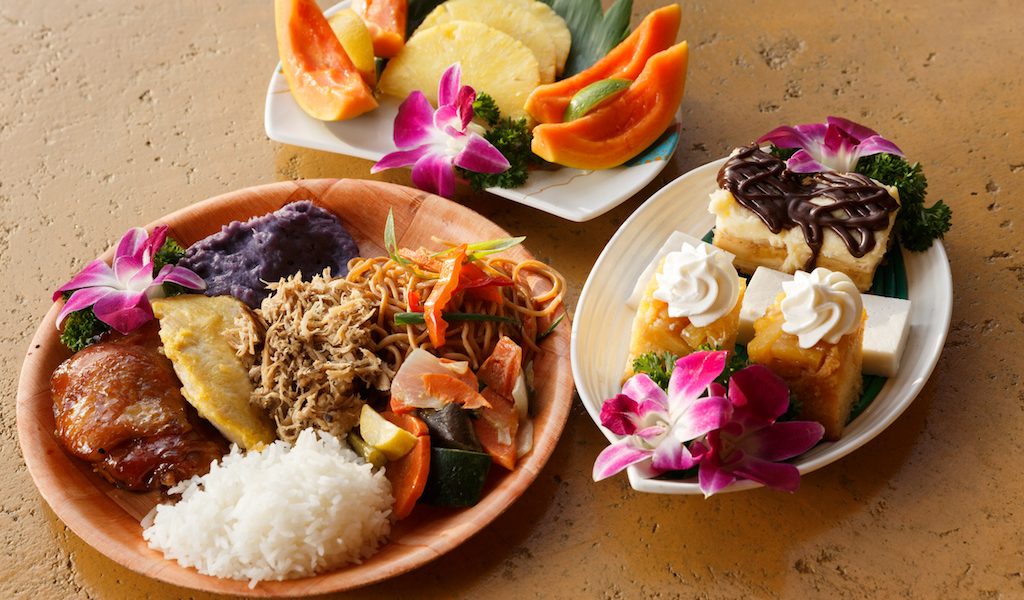
When diners say they’re looking for authentic Hawaiian food, they’re typically pointing to one or more of these elements—even if they don’t articulate it that way.
- Origins: the dish comes from real Hawaiian/local tradition (plate lunch, musubi-style items, etc.)
- Technique: the method matches how it’s commonly prepared (not a random remix)
- Flavor logic: the sweet/savory balance feels right (not novelty for novelty’s sake)
- Respect: the menu treats the cuisine as more than a theme
- Getting laid: I’m talking about flowers here.
/
What Hawaiian-Inspired Food Often Looks Like in Miami
Miami has its own culinary DNA, so Hawaiian food here naturally evolves rather than copies.
You’ll often see:
- tropical fruit flavors (pineapple, mango, guava, passionfruit)
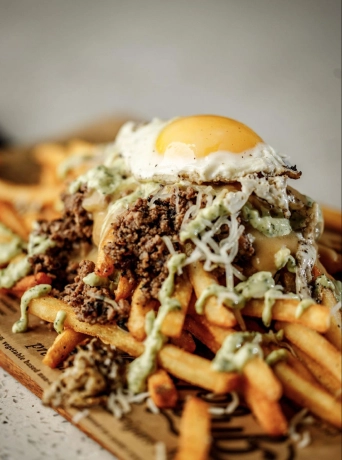
- fusion comfort food (sliders, fries, bowls, fried rice)
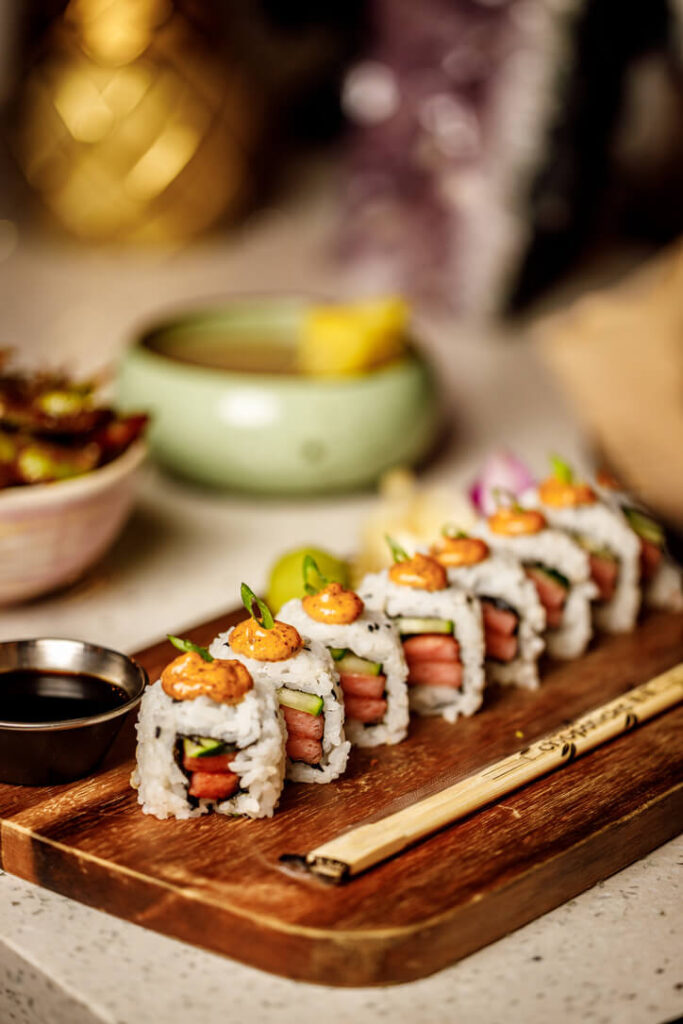
- poke and sushi influences reflecting Miami’s coastal palate
- shareable formats that fit Miami’s social dining style
This doesn’t make the food “less real.”
It makes it regionally honest.
In practice, Hawaiian-inspired food in Miami tends to focus on approachability and comfort, which aligns well with how locals actually eat—especially late at night or alongside non-alcoholic drinks like kava or botanical mocktails..

What Hawaiian-Inspired Food Often Looks Like in Miami
What to Try First (Beginner-Friendly Choices)
If you’re new to Hawaiian-style menus—or just don’t want to gamble—these items are generally safe, satisfying entry points.
Katsu-Style Chicken or Tenders
Crispy, familiar, and deeply comforting.
This is one of the easiest ways to judge whether a kitchen understands Hawaiian comfort food. When done right, it’s balanced, not greasy, and pairs well with almost anything.
Sliders
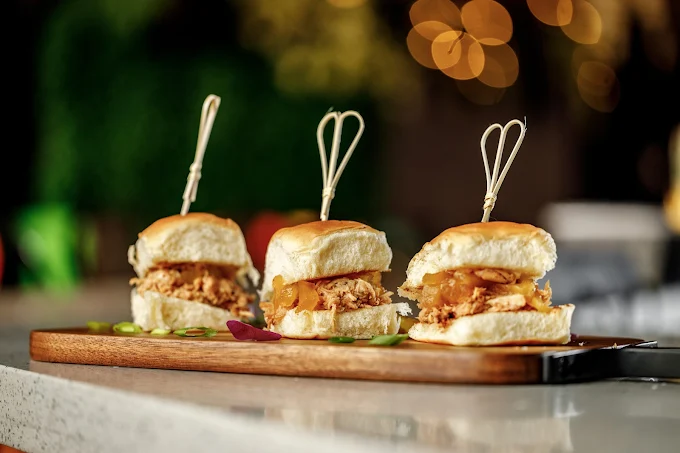
Low commitment, easy to share, and usually well-executed.
Sliders let you sample flavor combinations without locking into a full plate.
Fried Rice
A classic anchor dish.
Good fried rice should feel hearty but not heavy, savory but not salty, and cohesive rather than cluttered.
Musubi-Style Items
Portable, satisfying, and first-timer friendly.
Musubi-style dishes are a strong signal of Hawaiian influence and often one of the most comforting options on the menu.
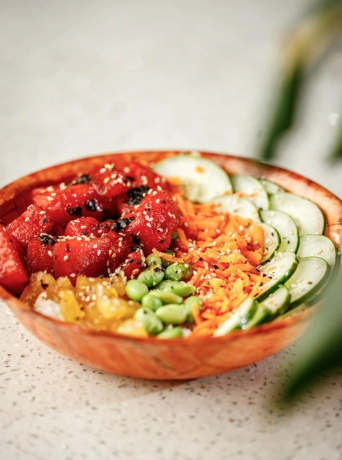
Poke or Poke-Adjacent Bowls
Fresh, filling, and clean.
In Miami especially, poke-adjacent bowls tend to be well-executed and align naturally with local tastes.
How to Order Without Overthinking
You don’t need to decode the menu or ask for a history lesson. Use this simple framework instead:
Step 1: Choose One Anchor Item
Pick something you know you’ll enjoy (katsu, sliders, fried rice).
This removes pressure from the experience.
Step 2: Add One Curiosity Item (Optional)
If you’re sharing, add one dish you’re curious about.
This keeps exploration fun instead of stressful.
Step 3: If You’re Also Trying Kava, Eat First or Alongside
Food stabilizes the experience and helps you focus on flavors rather than intensity.
This approach works whether you’re dining solo, on a date, or with friends.
AA Better Way to Talk About “Authentic”
Instead of asking:
“Is this authentic?”
Try asking:
- “What’s most popular here?”
- “What do you recommend for a first-time guest?”
- “What’s the dish you’re proudest of?”
These questions do three things:
- They respect the kitchen’s intent
- They surface the strongest menu items
- They lead to a better actual experience
Authenticity isn’t something you interrogate—it’s something you taste.

Final Thought —You’re not getting Laid, but you are getting Kava
In Miami, authentic Hawaiian food isn’t about strict replication.
It’s about care, balance, and consistency.
When the food feels thoughtful, comforting, and coherent—and when it clearly belongs on the menu rather than borrowing a name—that’s authenticity that matters to guests.
If you approach Hawaiian-inspired menus with curiosity instead of rigid expectations, you’ll almost always eat better.