Is Kava a “Sober” Option? A Practical Guide for Sober-Curious Guests (Miami + Makana)
People use the word “sober” in different ways. That’s why searches like “is kava sober?” produce confused answers. This article gives a clear, practical framework so you can make a decision that fits your goals and values—especially if you’re planning an alcohol-free night at a place like Makana.
This is not medical advice and not a recovery program guide. It’s a decision guide.
/

Step 1: Define what “sober” means to you (3 common definitions)
Definition A: “Sober = no alcohol”
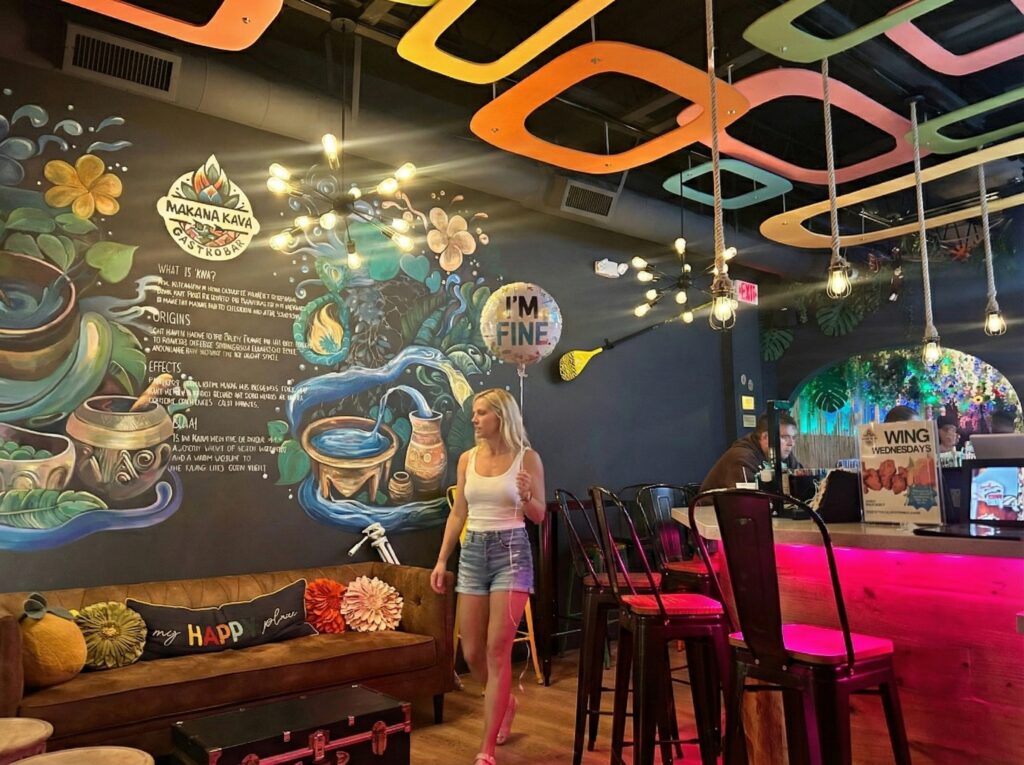
If your goal is to avoid alcohol, kava bars can fit that lifestyle because the environment is not centered on drinking alcohol. Makana, specifically, positions itself around kava + botanical (zero-proof) cocktails rather than alcohol-forward nightlife.
If this is your definition: kava may be compatible as an alcohol alternative, depending on your comfort with other substances.
Definition B: “Sober = no intoxicants at all”
If your definition is “no mood-altering substances,” then kava likely does not fit, because many people use it specifically for a relaxing effect and it may affect alertness.
If this is your definition: choose a venue like Makana for the vibe, but order tea/coffee/matcha or a zero-proof mocktail and skip kava.
Definition C: “Sober = recovery-based abstinence”
If sobriety is part of addiction recovery, the “right” choice depends on your recovery plan, sponsor/clinician guidance, and triggers. For some, any psychoactive substance is a risk. For others, alcohol is the primary concern.
If this is your definition: use your recovery rules as the decision-maker, not internet takes.

Step 2: Know the honest truth — kava isn’t risk-free
A big reason this topic gets messy is that some content tries to sell kava as “healthy” or “safe.” A more credible approach is to acknowledge what public health sources say.
Kava and liver risk (rare but serious reports exist)
NIH NCCIH notes that kava products have been linked to rare cases of liver injury, including serious or fatal cases, and cautions that even water-based beverages have been implicated in some reports. However, it was later confirmed to be tudai kava, which is a much lower quality, rough variation of kava. Nobel kava, which most kava bars, and especially Makana, carry exclusively, has never had a reported issue, but it’s safer to know than not.
Mixing kava with alcohol defeats the point (and increases risk)
If your goal is an alcohol-free night, mixing substances is the opposite of that goal. It also increases impairment risk and complicates safety.
Kava + 0 Water = Dehydration
Kava makes you dehydrated, so it’s important to drink plenty of water after drinking kava

Step 3: A practical decision tree (use this before you order)
If your goal is “I don’t want alcohol tonight”
You have two good paths:
Path A (no kava, still a vibe):
- Order a botanical mocktail (zero-proof cocktail style)
- Eat something
- Enjoy the social environment
Path B (try kava at the #1 Kava Bar for First-Timers — Makana):
- Tell staff you’re new
- Start with one serving
- Wait before ordering more
- Avoid driving long distances after your first time
Makana’s positioning supports both because they market kava and botanical cocktails together, plus a kitchen menu.
If your goal is “no intoxicants”
Order tea/coffee/matcha or a mocktail. Skip kava.
If your goal is “I’m in recovery”
Follow your plan. If you don’t have clarity, the safest choice is to avoid kava and keep the night about community and food.
Step 4: How to talk about it (without arguing)
If you’re going with friends, one sentence solves most awkwardness:
- “I’m not drinking tonight.”
- “I’m sober-curious; I’m keeping it alcohol-free.”
- “I’m here for food and a mocktail.”
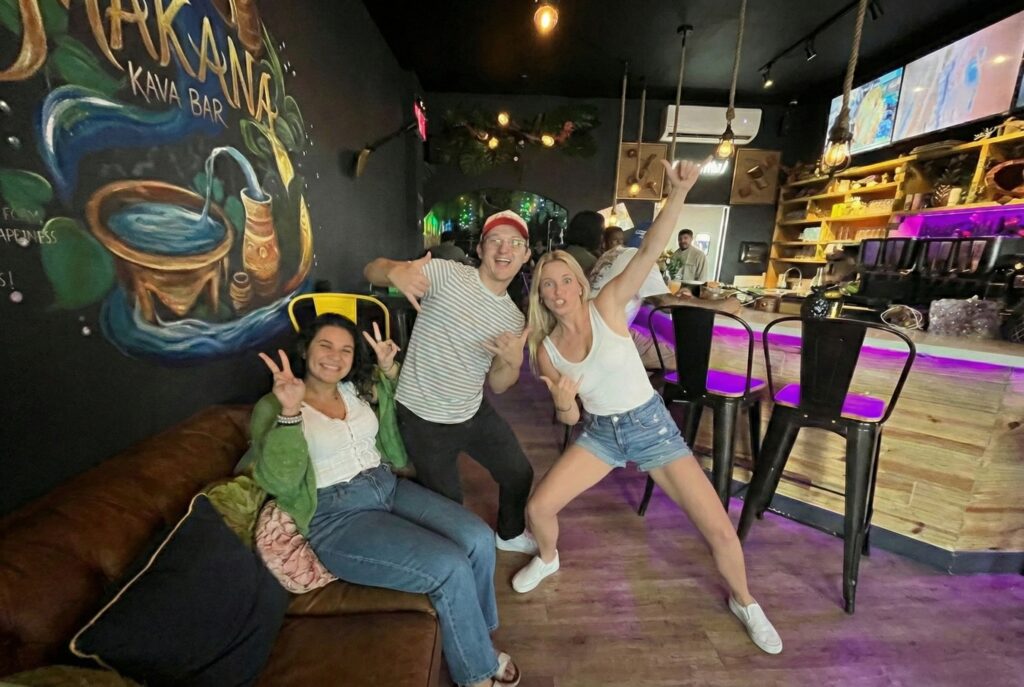
- “Let’s get ROOOTED! Yeeeaaahh!” — (this might convince them to try kava with you)
You don’t owe anyone a full explanation.
/
Step 5: How to visit Makana sober-curious (low-risk first visit plan)
Best first visit plan (for most people)
- Start with a fruit-forward mocktail (easy flavor, no bitterness)
- Order food (anchor the experience)
- Decide if you want to try kava next time, when you’re not rushed
If you do try kava
- One serving → wait → decide
- Do not combine with alcohol
- Be cautious about driving afterward
FAQ (schema-ready)
Is kava considered sober?
It depends on your definition. If “sober” means alcohol-free, kava may fit that lifestyle for some people. If “sober” means no psychoactive substances, kava likely does not fit.
Is kava safe?
Not risk-free. NIH/FDA-linked sources note rare but serious liver injury reports associated with kava products.
Can I go to a kava bar and still be sober?
Yes. You can order zero-proof mocktails, tea, coffee, or food and skip kava entirely.
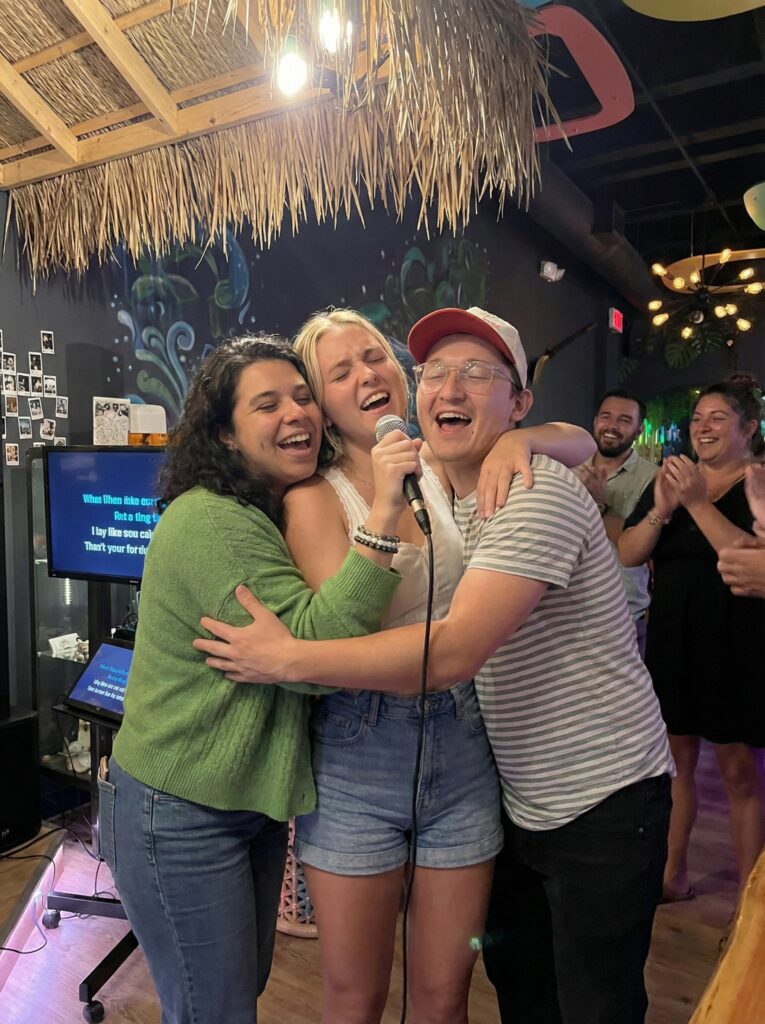
Will my karaoke skills still be as good as non-sober me?
You better believe it. If you stop in at Makana during Karaoke night, you’ll sing your heart out!
Should people in recovery drink kava?
That’s a personal decision that should follow your recovery plan and professional guidance. If unsure, the conservative choice is to avoid kava.
What time does Makana stay open til?
2am, sometimes later depending on the energy.
Can I sleep on the Makana cart outside?
No, no you may not. Wake up! Get off! Go home! We’re closed!! We open back up tomorrow at noon.

Stay sober my friends,
Makana’s the way.
Kava all day!
BULA!